You know the feeling. You sit down to play a familiar game—say, poker or blackjack—only to find the rules you’ve sworn by for years don’t quite apply here. The dealer hits on a soft 17. Your flush is ranked differently. Honestly, it can throw you off your game completely.
That’s the fascinating world of regional variations in classic table games. It’s not just about different slang or chips. The very core rules shift as you cross oceans and continents, shaped by centuries of culture, chance, and sheer human preference. Let’s dive into how some of our most beloved games have evolved in their own unique corners of the globe.
Blackjack: Not Just 21 Anymore
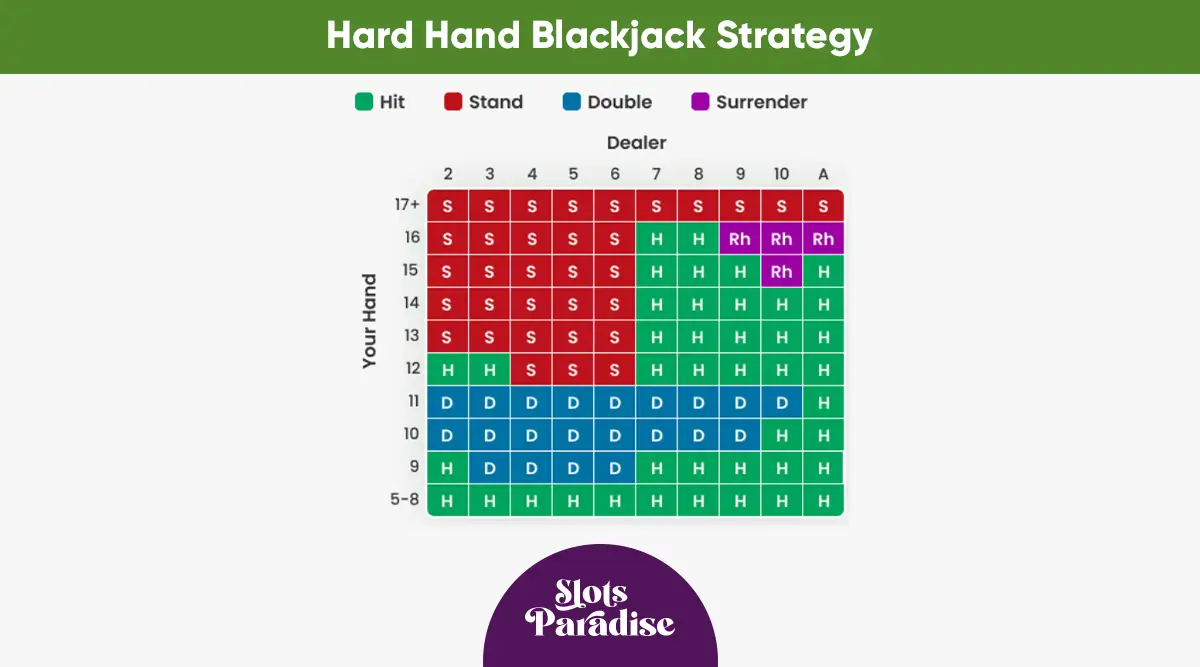
Blackjack seems simple enough. Get to 21. But the path to get there? Well, that’s where continents diverge.
European vs. American Rules: The Hole Card Drama
Here’s a major one. In most of Europe, the dealer doesn’t take their second card—the “hole card”—until after all players have acted. This “no-peek” rule changes everything. If the dealer ends up showing an ace or a ten, and you’ve already doubled down or split? You could lose your entire extra bet right then and there. It adds a layer of risk.
In the Americas, the dealer typically takes the hole card immediately. Players see the potential for blackjack early, which influences splitting and doubling decisions. It just feels different. More transparent, maybe.
Down Under and Asian Twists
Head to Australia, and you might encounter “Pontoon.” Sounds fancy, but it’s essentially blackjack with a few spicy twists. Both dealer cards are dealt face down. A “pontoon” (an ace and a ten-card) beats everything. And you can double on any number of cards—a huge strategic shift. Five-card hands that don’t bust also rank highly.
In some Asian casinos, you’ll find games where the dealer wins all ties except a natural blackjack. The house edge skyrockets, but the game’s pace and energy are a whole other beast.
Poker Hand Rankings: When a Flush Isn’t Just a Flush
You’d think a royal flush is a royal flush anywhere on Earth. For the most part, yes. But dig into specific poker variants across regions, and the hierarchy of hands can get wonderfully messy.
Take the UK and parts of Europe. In some traditional “British Poker” or certain home games, the rule of “Ace to Five” for low hands in Stud variants flips logic on its head. Or consider “Short Deck Hold’em,” a game that exploded in popularity in Macau and across Asia. They remove all cards from deuces through fives. The result? A three-of-a-kind beats a straight. A flush beats a full house. It completely rewires your instinct for the odds.
It’s a pain point for traveling players, sure. But it’s also a beautiful example of how a game adapts to local tastes for faster, action-packed rounds.
Roulette: The Single Zero Divide
Roulette is perhaps the clearest continental split. The wheel itself tells the story.
| Region | Common Wheel Type | Key Feature | House Edge |
| Europe & UK | European | Single Zero (0) | ~2.7% |
| United States | American | Double Zero (0 & 00) | ~5.26% |
| France & VIP areas | French | Single Zero + “La Partage” Rule | Can drop to ~1.35% |
The American double-zero wheel is a classic, but it comes with a higher cost to play. Cross the Atlantic, and the single-zero European wheel is the standard—better odds for the player, frankly.
Then there’s French Roulette, the connoisseur’s choice. It uses a single zero but adds player-friendly rules like “La Partage.” If you place an even-money bet (like red/black) and the ball lands on zero, you only lose half your bet. That rule alone slashes the house edge dramatically. It’s a subtle, elegant variation that speaks to a different gambling philosophy.
Domino Games: From Cuban Streets to Chinese Parlors
Now, dominoes are a whole different story. The regional variations aren’t just rules—they’re entirely different games wearing the same spotted tiles.
In much of Latin America and the Caribbean, games like “Cuban Dominoes” are a social institution. It’s typically played with a double-nine set by four players in partnerships. The scoring is loud, fast, and full of bravado. The goal is to be the first team to reach a set number of points, often 100 or 150, with points scored during the hand and for winning.
Contrast that with China. Here, dominoes evolved into the intricate tile-matching game that eventually birthed Mahjong. But traditional games like “Tien Gow” use a double-six set and treat the tiles almost like playing cards, with complex hierarchies and suit systems. It’s less about emptying your hand and more about winning tricks, similar to a card game.
And you can’t forget the UK’s “Fives and Threes” or “Muggins.” Here, it’s all about the multiples. Players score points when the open ends of the layout add up to a multiple of five or three. It’s a cerebral, arithmetic-heavy battle, a world away from the boisterous team play in Havana.
Why Do These Variations Even Exist?
Good question. It’s a mix of history, culture, and pure commerce.
- Historical Isolation: Games developed in parallel before the internet smoothed everything out. A rule set took root in one area and became tradition.
- Cultural Preferences: Some regions prefer higher-variance, bigger-payout games (like some Asian blackjack rules). Others favor games of longer strategy with lower house edges (like French Roulette).
- The House’s Cut: Let’s be real. Casinos adjust rules to manage their risk and profit. The American double-zero roulette wheel is a prime example of a variation that simply benefits the house more.
These rules aren’t just arbitrary. They’re the DNA of local play, telling stories of how people gather, compete, and socialize.
The Takeaway for the Global Player
So, what does this all mean for you? Whether you’re a casual traveler or a serious player, the lesson is simple: always ask about the house rules. Don’t assume. A quick, “Is this dealer hits or stands on soft 17?” or “What’s the hand ranking here?” can save you from a costly, confusing night.
In fact, these variations are a gift. They remind us that games are living things, not museum pieces. They breathe and adapt to the room they’re in. The next time you see a rule that seems “wrong,” take a second. You’re not just looking at a different way to play. You’re seeing a fragment of local history, a slice of how fun is engineered on a different continent. And that, honestly, is more interesting than any perfect hand.