

Think about your favorite movie. The one that, you know, just doesn’t land the same way when you try to explain it to a friend from another country. The jokes fall flat. The references are a mystery. Well, the exact same thing happens in the world of online slots.
Slot developers can’t just create one game and release it worldwide, expecting universal applause. It’s a recipe for silence. To truly connect with players from Tokyo to Toronto, they have to become cultural chameleons. They have to adapt.
Why Bother? The High-Stakes Game of Localization
Let’s be honest, it all comes down to connection—and revenue. A player is more likely to spend time and money on a game that feels like it was made just for them. It’s that simple. Using a generic, one-size-fits-all approach is like serving plain toast at a gourmet banquet. It’s fine, but it’s not memorable. It doesn’t resonate.
Ignoring cultural nuances, on the other hand, can lead to disaster. A color, a symbol, or a number that is lucky in one culture might be deeply offensive or unlucky in another. Getting it wrong doesn’t just mean a player closes the game; it can damage a brand’s reputation. Permanently.
A World of Symbols: Key Areas of Adaptation
So, how do they do it? How does a slot game shed its original skin and dress up for a new audience? It’s a meticulous process that touches almost every part of the game.
1. The Numerology of Luck
Numbers speak a powerful language. In much of the Western world, the number 7 is the king of luck. It’s everywhere. But venture into China and much of Asia, and the game changes completely. The number 8 is prized above all others—its pronunciation in Mandarin is similar to the word for “prosper” or “wealth.”
Meanwhile, the number 4 is avoided like the plague. Its sound is eerily close to the word for “death.” You will rarely, if ever, see a 4-car scatter or a multiplier that lands on 4x in a slot tailored for the Asian market. Developers will meticulously rework the game math and symbols to align with these beliefs. It’s not just a cosmetic change; it’s woven into the game’s very code.
2. A Palette of Meaning
Color is more than decoration; it’s emotion. It’s cultural shorthand.
| Color | Western Association | Eastern Association (e.g., China) |
| Red | Danger, Love, Stop | Luck, Prosperity, Celebration |
| White | Purity, Peace, Wedding | Mourning, Death (in some contexts) |
| Green | Nature, Money, Go | Health, Harmony, Infidelity (negative connotation) |
A slot game for the Chinese New Year will be drenched in vibrant, lucky reds and golds. That same red might be dialed back for a European audience where its primary association isn’t always positive. It’s a subtle but crucial shift.
3. Mythology and Folklore: The Stories We Share
This is where the real magic happens. Developers dive headfirst into local legends.
- For Nordic markets, you’ll find slots teeming with Vikings, Norse gods like Odin and Thor, and icy landscapes. The vibe is epic, rugged, and powerful.
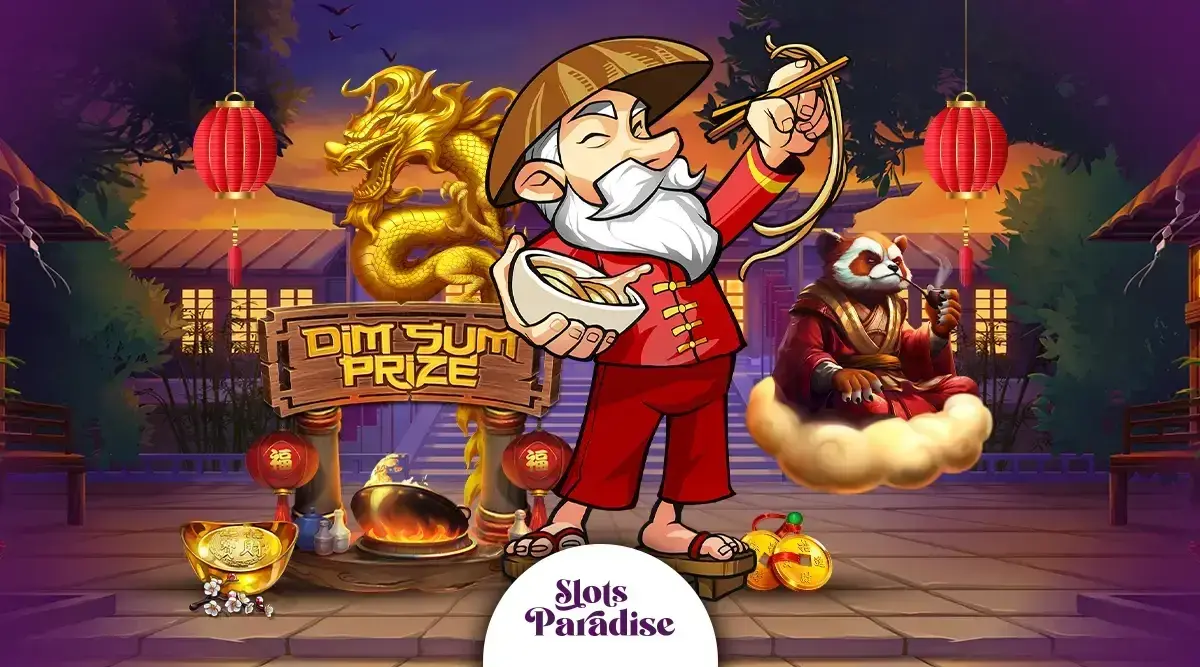
- In Asia, themes revolve around Chinese Zodiac animals, dragons (symbols of power and good luck), and deities like the Dragon King or the God of Wealth. The aesthetics are often intricate and deeply symbolic.
- Japanese markets have a rich tapestry of yokai (supernatural spirits), samurai, and geishas. The art style might even mimic traditional woodblock prints or modern anime to feel more authentic.
It’s not enough to just slap a dragon on a reel. The dragon has to look like the benevolent, serpentine creature from Eastern folklore, not the fire-breathing beast from Western tales.
The Adaptation Playbook: A Step-by-Step Process
Okay, so how does this actually work in practice? It’s not a single decision but a whole strategy.
- Deep Market Research: This is the foundation. Developers partner with local experts to understand cultural taboos, lucky charms, and popular aesthetics. They don’t assume; they learn.
- Visual and Audio Overhaul: This is where the game gets its new clothes. Symbols are redesigned. Color schemes are adjusted. The soundtrack is crucial—the music must sound familiar and appealing to the local ear.
- Game Mechanics Tuning: This is the hidden layer. Some cultures prefer high-volatility games (big, infrequent wins) while others favor low-volatility (frequent, smaller wins). Bonus round structures might be altered to feel more engaging for that specific player base.
- Language and Naming: This goes beyond simple translation. The game’s name itself might be changed to something that sounds luckier or more appealing in the local language. All the text, from button labels to storylines, is professionally translated and localized to avoid awkward phrasing.
The Fine Line: Authenticity vs. Stereotype
Here’s the tricky part. There’s a very thin, often blurry line between a thoughtful cultural adaptation and a lazy, cringe-worthy stereotype. A game based on Irish luck can easily veer into a cartoonish world of leprechauns and shamrocks that feels insulting rather than celebratory.
The most successful adaptations treat the source material with respect. They capture the spirit of the culture without reducing it to a cheap caricature. They aim for authenticity, not just appropriation. It’s the difference between a heartfelt tribute and a tacky costume.
And let’s not forget regulatory adaptation. A game feature that’s a hit in one country might be outright illegal in another due to local gambling laws. The adaptation process has to navigate this legal maze as carefully as the cultural one.
The Future is Hyper-Local
The trend is moving even further. It’s not just about countries anymore. We’re entering an era of hyper-localization. Think about slot themes built around specific regional festivals, local sports heroes, or even popular domestic TV shows. The goal is to make the player feel seen, understood, and right at home.
In the end, a slot machine is just a piece of software. But the themes, the stories, the symbols—that’s where the soul is. The most successful global games are the ones that understand this. They don’t just translate words; they translate feelings. They don’t just sell a chance to win; they sell a moment of familiar, comfortable, and exciting escape. And honestly, that’s a jackpot worth chasing.


